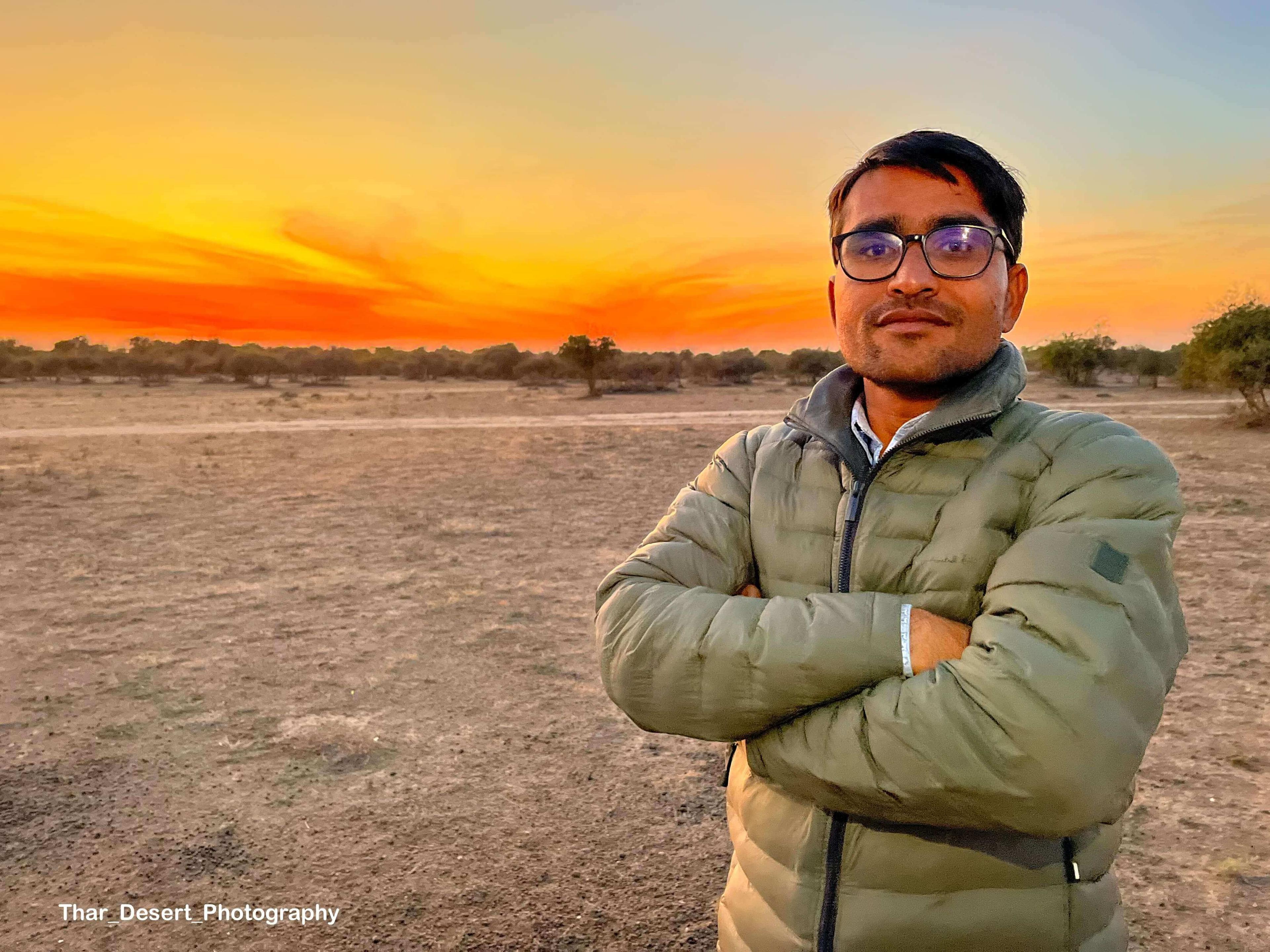
About Dhawa DoliWildlife Safari
Discover the story behind one of India's most pristine wildlife sanctuaries
Our Story
Dhawa Doli Wildlife Safari is a pristine wilderness area that serves as a crucial habitat for diverse flora and fauna. Established in 1985, this sanctuary spans over 1,200 square kilometers of dense forests, grasslands, and water bodies, making it one of the most biodiverse regions in Central India.
The sanctuary was established to protect the rapidly declining wildlife populations and preserve the unique ecosystem of the region. Named after the Dhawa and Doli rivers that flow through the sanctuary, this protected area has become a model for wildlife conservation and eco-tourism in India.
Established
1985
Area
1,200 square kilometers
Our Mission
To conserve and protect the natural habitat and wildlife species while promoting sustainable eco-tourism and environmental education.
Our Vision
To be a leading wildlife sanctuary that demonstrates successful conservation practices while providing unforgettable wildlife experiences to visitors from around the world.
What Makes Us Special
Discover the unique features that make Dhawa Doli Wildlife Safari a premier destination for wildlife enthusiasts and nature lovers.
Home to over 200 species of birds
Habitat for tigers, leopards, and other big cats
Rich biodiversity with 500+ plant species
Crystal clear rivers and natural water bodies
Ancient tribal settlements and cultural heritage
Professional naturalist guides
Well-maintained safari routes
Eco-friendly accommodation options
Sanctuary Zones
The sanctuary is divided into different zones, each with its unique characteristics and wildlife viewing opportunities.
Core Zone
400 sq km
The heart of the sanctuary with the highest wildlife density
Access:
Restricted - Special permits required
Buffer Zone
500 sq km
Transition area between core zone and human settlements
Access:
Limited safari access with guides
Tourism Zone
300 sq km
Designated area for wildlife tourism and safari activities
Access:
Open for tourists with proper permits
Our Wildlife
Home to an incredible diversity of species, from majestic tigers to colorful birds and everything in between.
Mammals (6 Species)
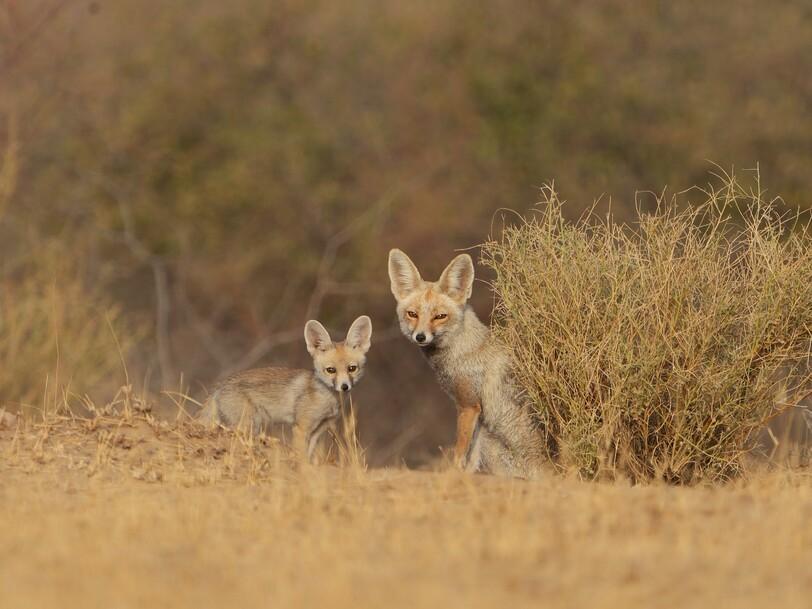
Bengal Tiger
Panthera tigris tigris
Population: 45-50
The apex predator of Dhawa Doli, these magnificent cats are the main attraction for wildlife enthusiasts.
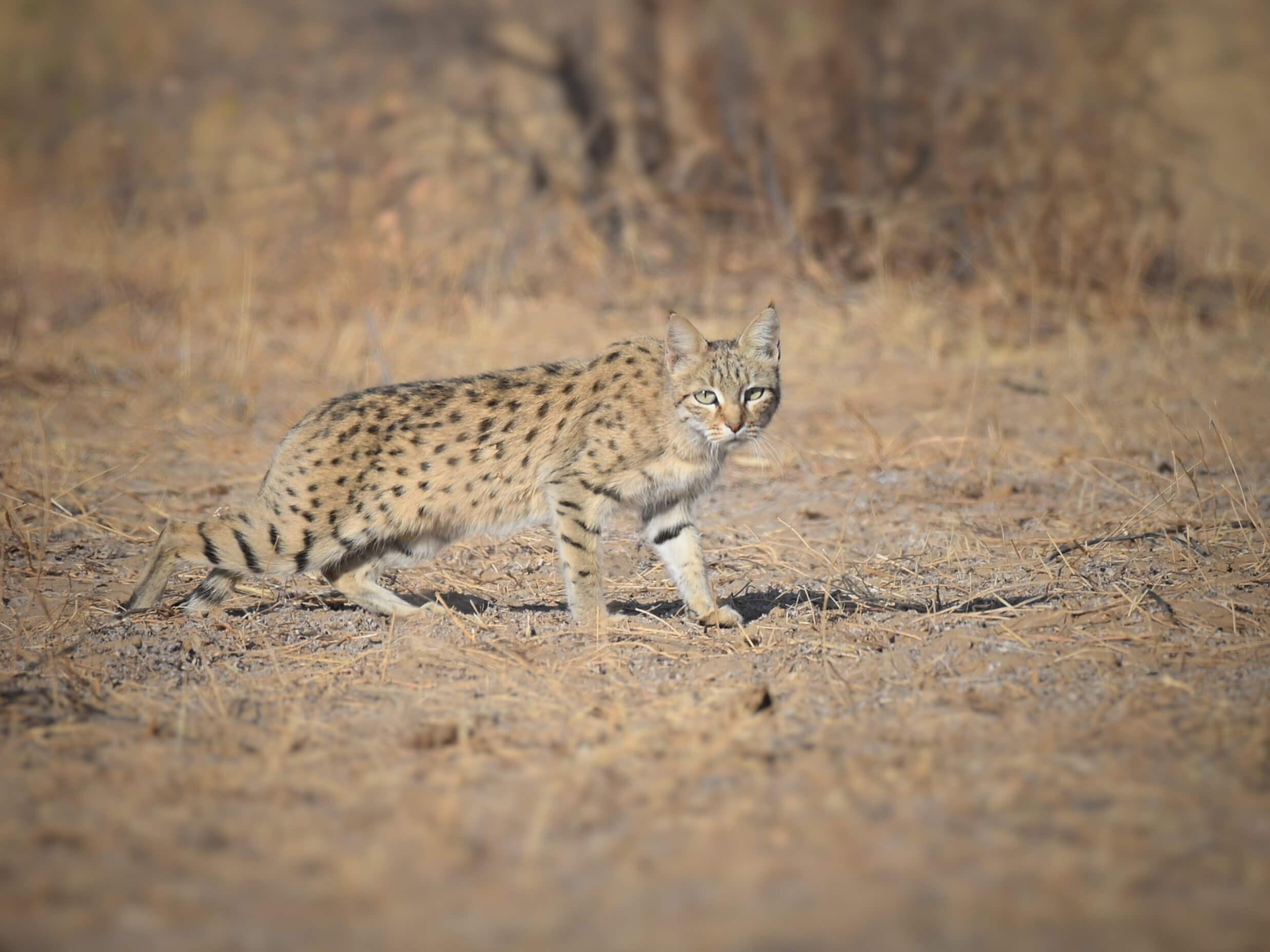
Indian Leopard
Panthera pardus fusca
Population: 80-90
Elusive and adaptable, leopards are frequently spotted in the rocky terrain and dense vegetation.
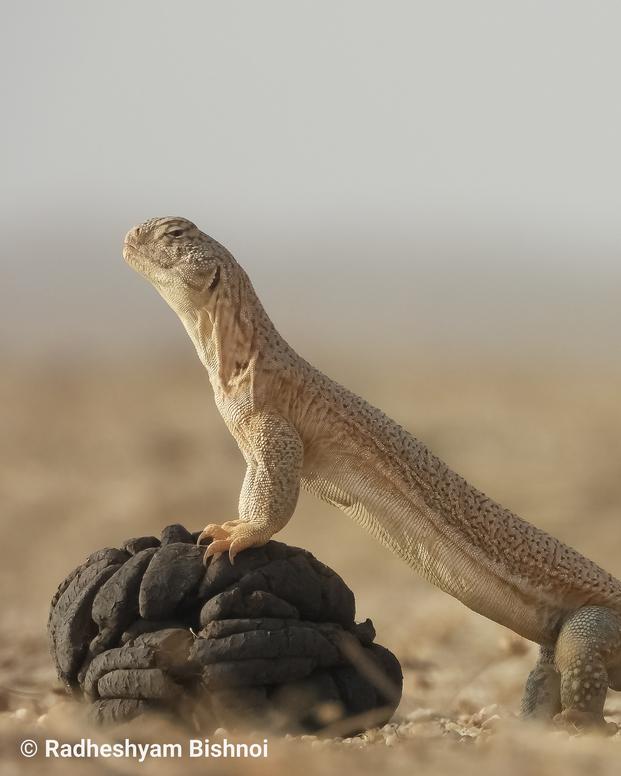
Sloth Bear
Melursus ursinus
Population: 25-30
These shaggy-coated bears are known for their distinctive white chest patch and love for termites.
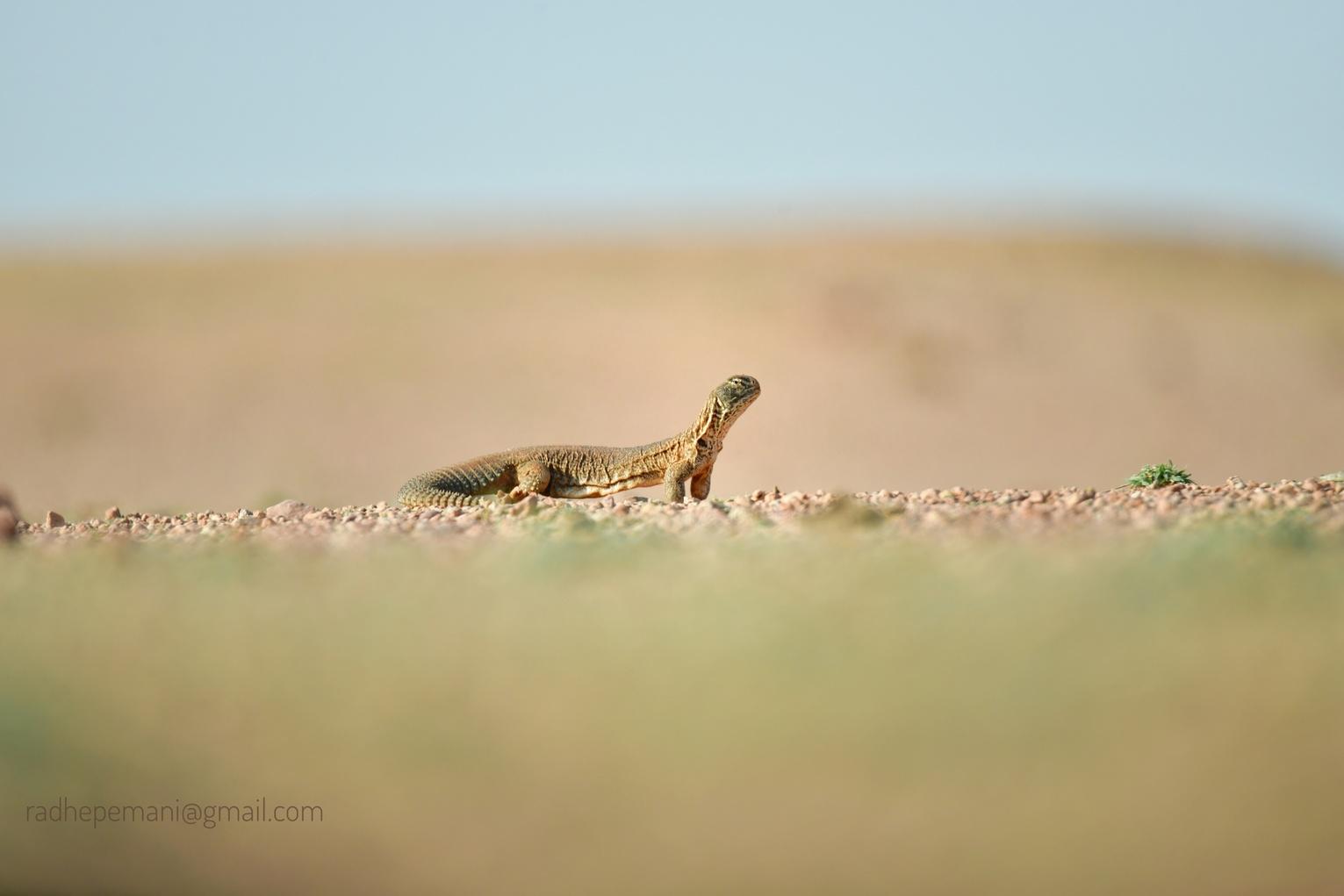
Indian Wild Dog (Dhole)
Cuon alpinus
Population: 40-45
Highly social pack hunters known for their distinctive whistling calls.
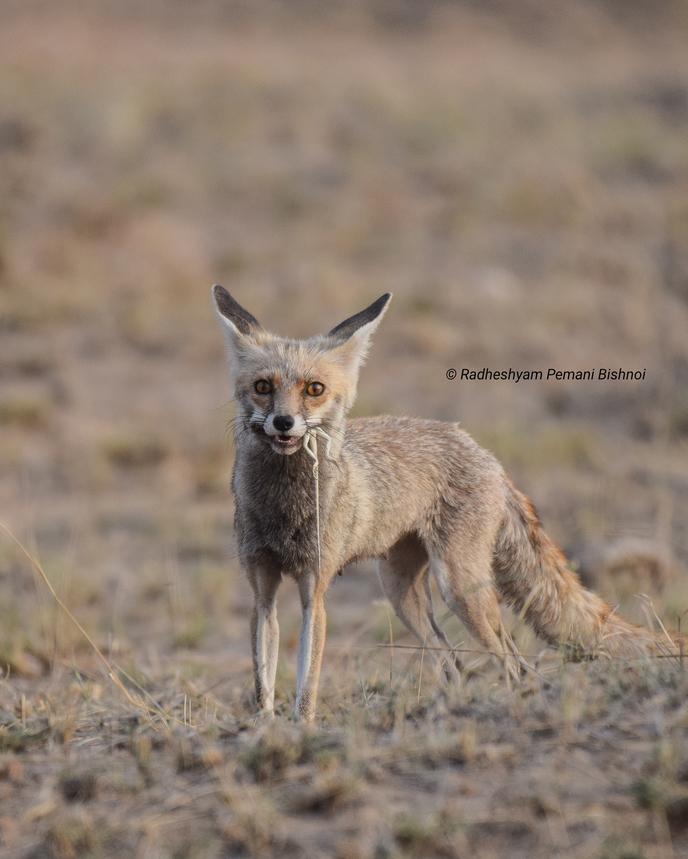
Sambar Deer
Rusa unicolor
Population: 800-1000
The largest deer species in the sanctuary, often seen grazing in open areas.
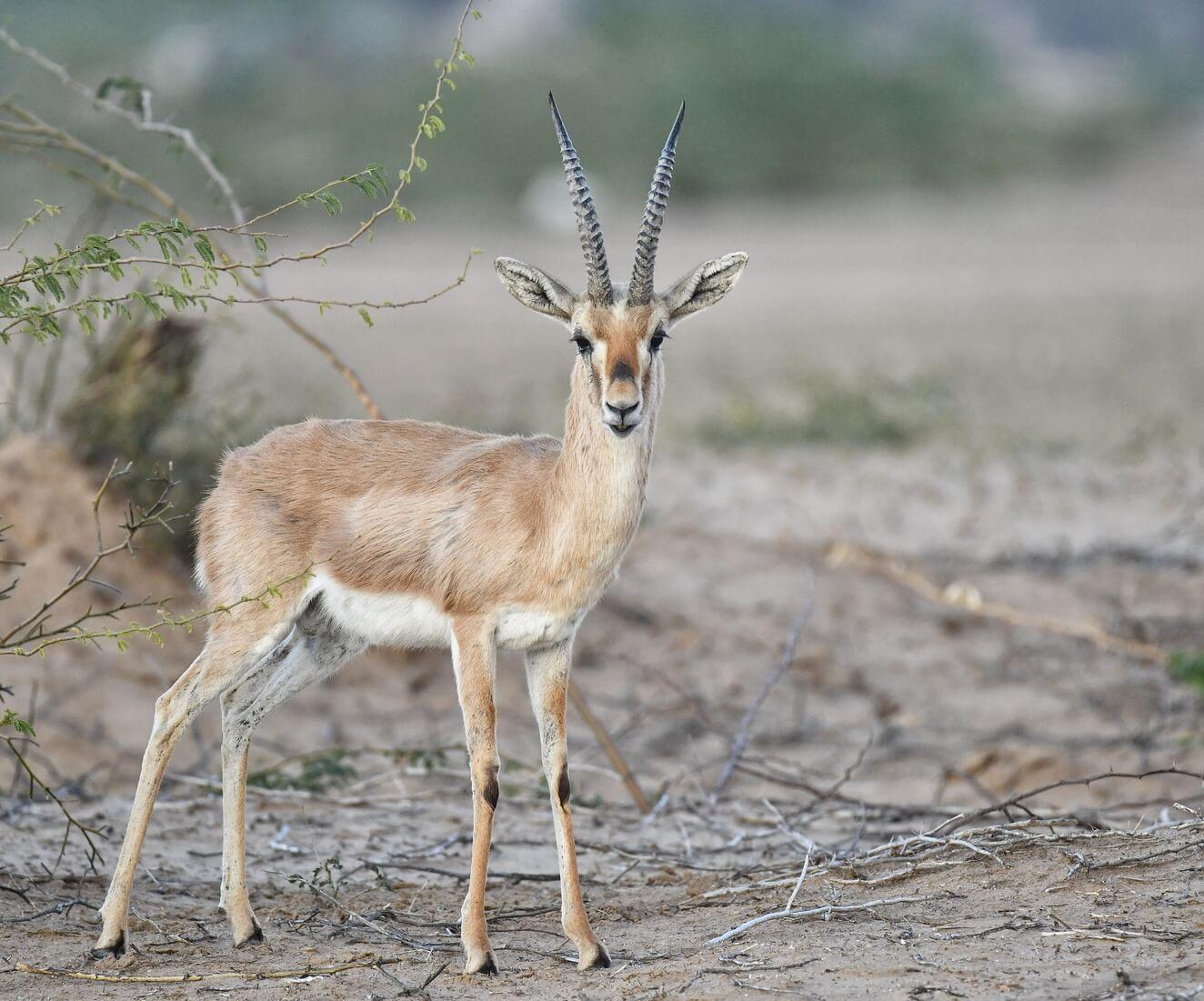
Spotted Deer (Chital)
Axis axis
Population: 2000-2500
Beautiful spotted deer that form the primary prey base for large carnivores.
Birds (4+ Species)
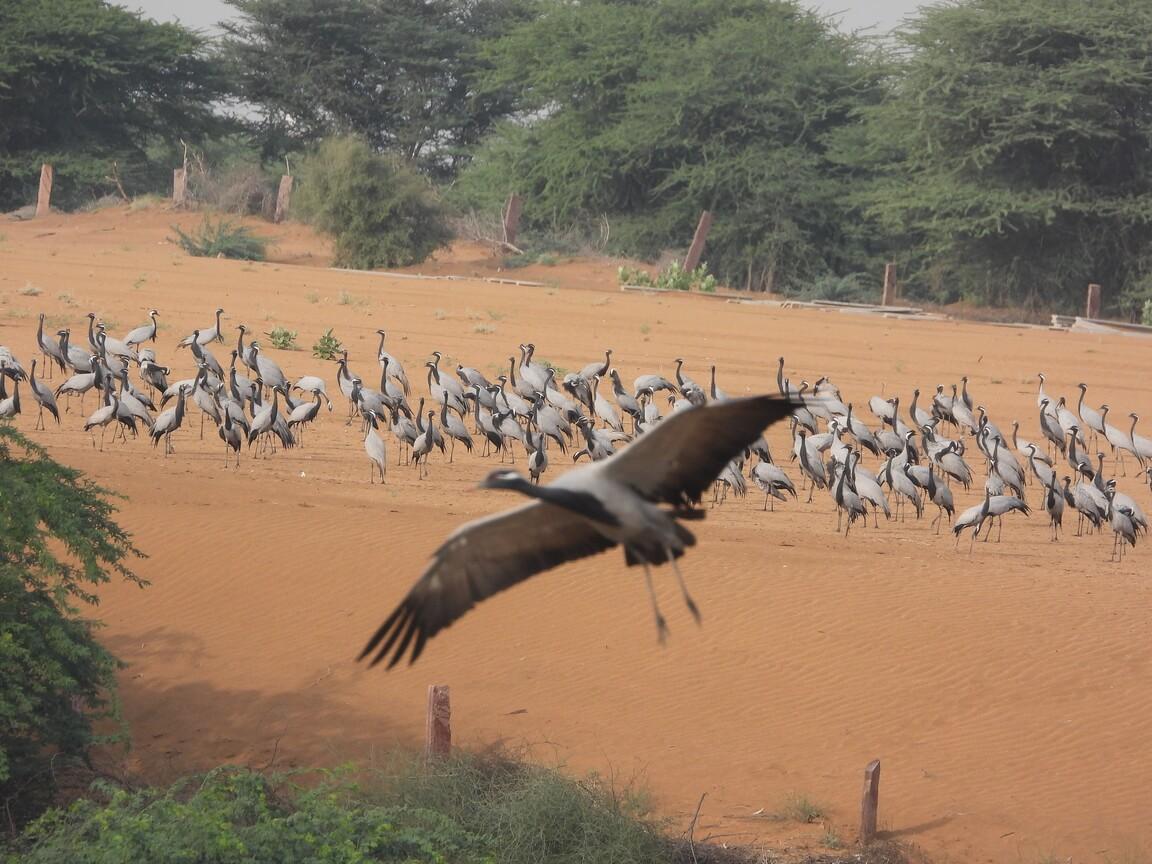
Indian Peafowl
Pavo cristatus
The national bird of India, known for its spectacular plumage and courtship displays.
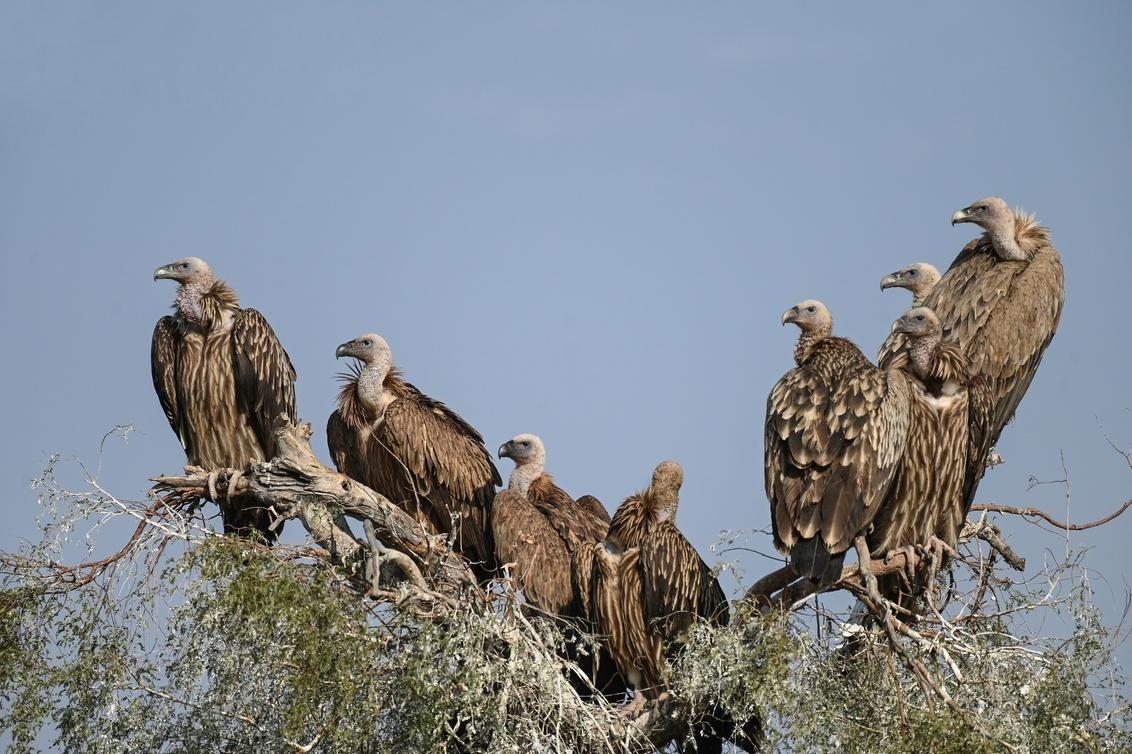
Crested Serpent Eagle
Spilornis cheela
A medium-sized raptor often seen soaring above the forest canopy.
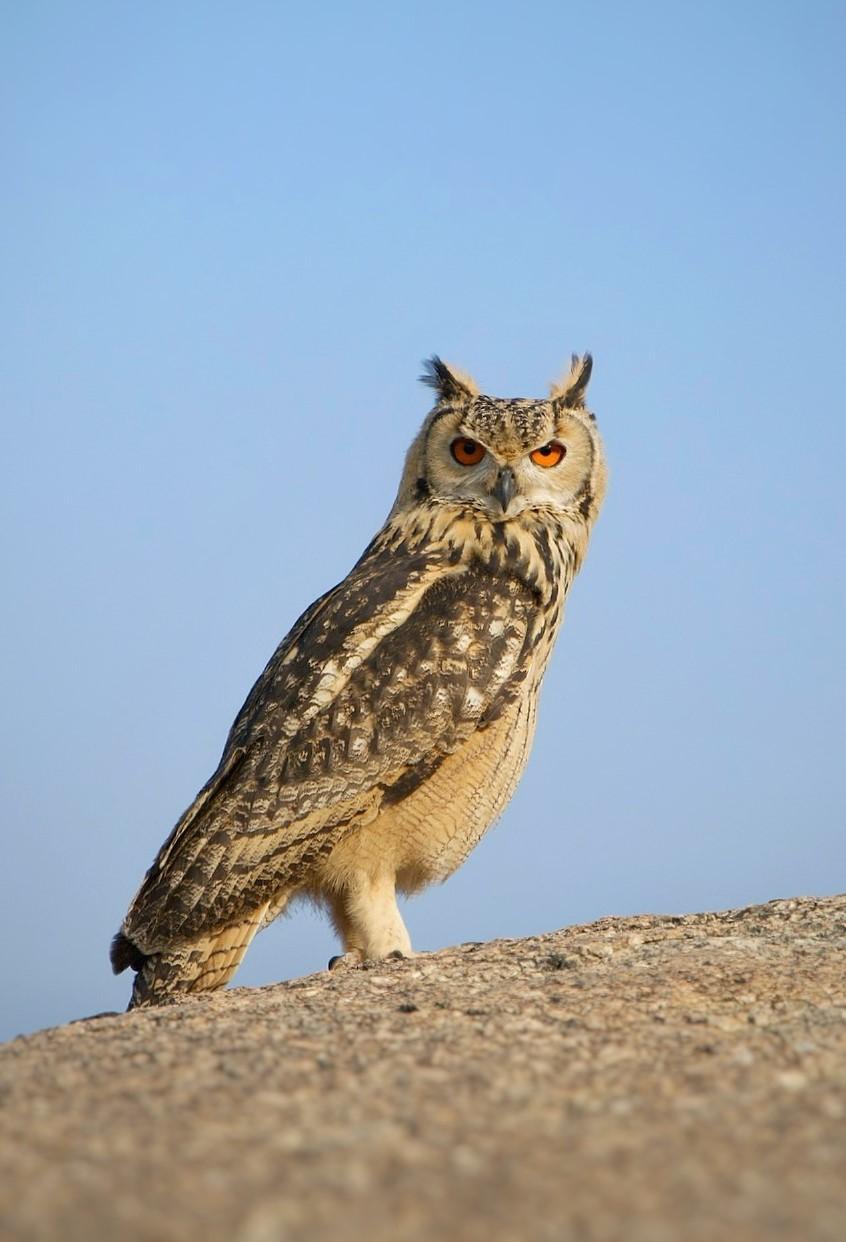
Indian Roller
Coracias benghalensis
The state bird known for its brilliant blue plumage and acrobatic flight.
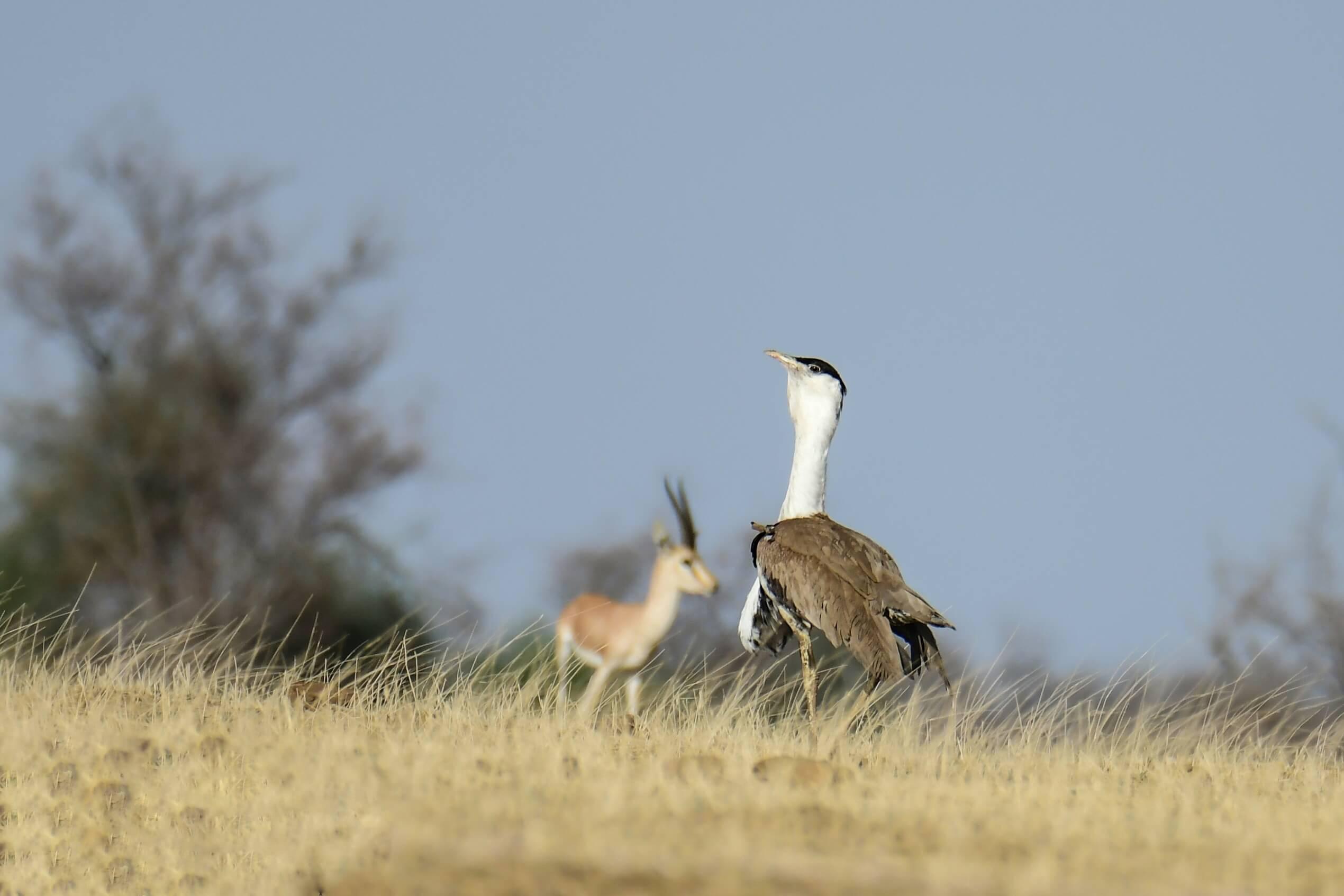
Malabar Pied Hornbill
Anthracoceros coronatus
Large bird with distinctive casque and important seed disperser.
Flora & Vegetation
The sanctuary supports diverse plant communities that provide habitat and sustenance for our wildlife.
Forest Types
Tropical Dry Deciduous Forest
70%Dominated by teak, sal, and bamboo species
Grasslands
20%Open areas with native grass species
Riparian Forest
10%Forest along rivers and water bodies
Key Plant Species
Best Time to Visit
Plan your visit during the optimal seasons for the best wildlife viewing experience.
Peak Season
November to March
Ideal weather conditions and maximum wildlife activity. Perfect for photography and extended safaris.
Moderate Season
October and April
Good wildlife viewing with fewer crowds. Comfortable temperatures for outdoor activities.
Avoid
May to September (Monsoon season)
Heavy rainfall makes wildlife spotting difficult. Some areas may be inaccessible during this period.
Conservation Efforts
Our commitment to wildlife conservation and sustainable tourism ensures the protection of this precious ecosystem for future generations.
Achievements
- 30% increase in tiger population over the last decade
- Successful breeding programs for endangered species
- Zero poaching incidents in the last 5 years
- Community-based conservation initiatives
- Habitat restoration of 200 hectares annually
Challenges
- Human-wildlife conflict in buffer zones
- Climate change impact on water sources
- Invasive plant species management
- Balancing tourism and conservation needs